Come and try Hello Fit free. No commitment, no pressure.
or


When you first start your health and fitness journey, it’s easy to feel overwhelmed by what you should be doing. There is a lot of conflicting information out there — and one of the most confusing areas is knowing how to track your progress.
Whether your goal is weight loss, building muscle mass, increasing strength or improving fitness levels, tracking how far you have come is vital. And it is more important to start right away. Looking back at how far you have come can be enormously motivating, particularly during those periods when you feel like progress has stalled.
Let’s look at the most effective ways to track your progress — and why using more than one method gives you the clearest picture.
A super common way to track progress if your goal is weight loss. While scale weight can give you some fantastic data, it can also cause problems if used in isolation. It is completely normal for the scale to fluctuate — especially in women — due to factors including time of the month, when you last trained, and when you consumed your last meal. These fluctuations can cause people to give up, wrongly assuming their plan isn't working. If you are also building muscle as you lose body fat, the scale can actually show conflicting information. Best practice: weigh daily and track an average, or weigh less frequently — every two weeks or once a month. A single weekly weigh-in gives very little useful data. Always track scale weight alongside other progress markers.
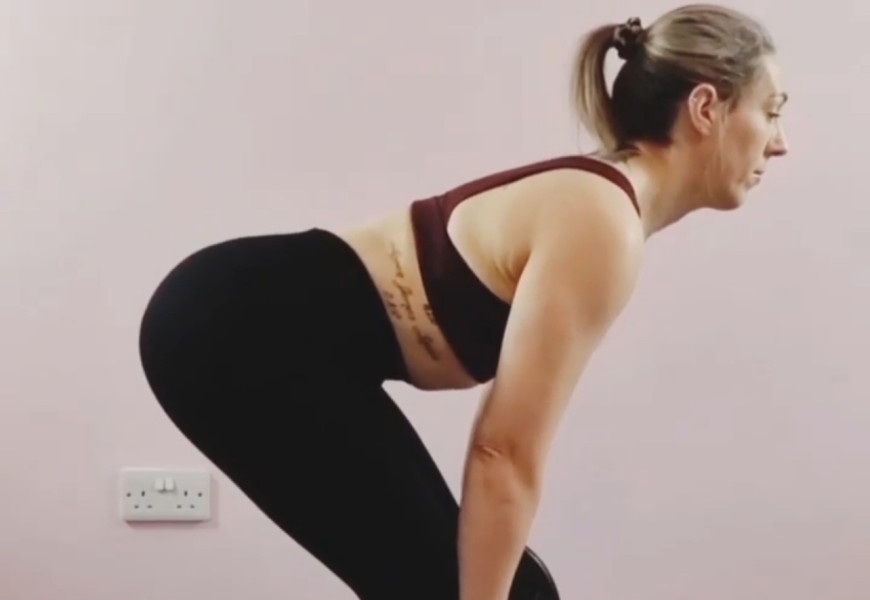
Taking regular photographs is one of the most motivating tracking tools available. Because you see your own body every day, it can be genuinely hard to notice changes in body composition. Photos make those changes visible. Take them from the front, back and side, wearing underwear or swimwear, and make sure you are not tensing. Every one to three months is an ideal timescale. Store them somewhere private and compare them side by side — you will often be surprised by how much has changed.
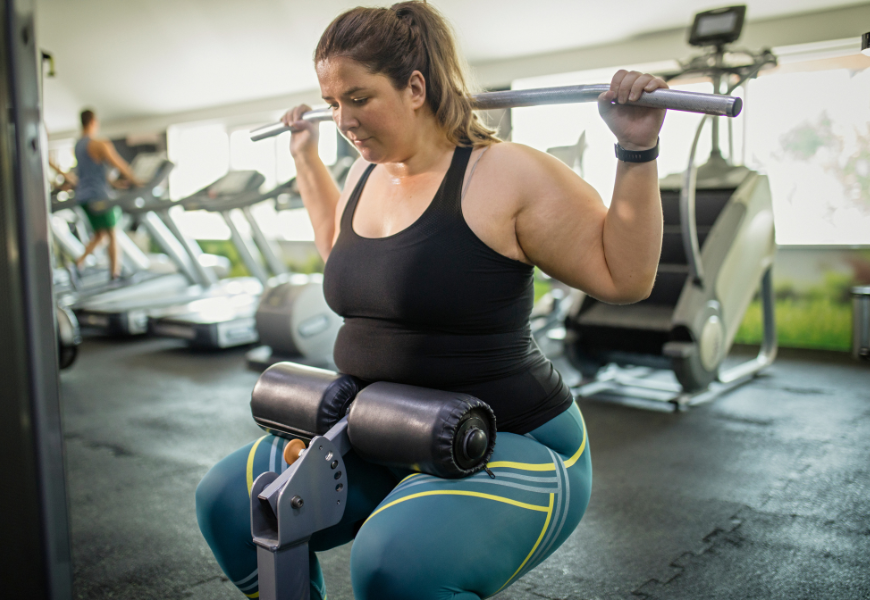
It is important to remember that even if your body is not visibly changing, you could be making fantastic strength and fitness gains. Logging what you can lift, how far you can run, or how long you can cycle during workouts gives a clear picture of how far you have progressed over time. This data is just as meaningful as a number on the scales — and often far more rewarding to track.
Tracking your health markers over time is another powerful way to measure progress — particularly if you have high blood pressure or high cholesterol. Exercise is one of the most effective ways to improve long-term health outcomes, and watching these stats move into a healthy range can be genuinely life-changing. Make sure you are getting them checked regularly so you can see the difference your training is making.
Remember — it is all data. The more data you gather, the more accurate and motivating your overall picture becomes.
Ensuring you have an overall picture of how you are progressing — physically and not just aesthetically — is key. It will not only help with motivation but help you to celebrate every milestone along the way. If you need help putting together a tracking strategy or a training plan, speak to one of the Hello Fit team — we are always happy to help.
The Hello Fit team are passionate about helping members of all abilities get more from their training. Based in Lytham St Annes, we offer expert personal training, group classes and fully equipped gym facilities.